
Best Enrichment Toys for Destructive Dogs in 2026
Table of Contents
- Why Destructive Dogs Need Enrichment Toys
- How to Stop Destructive Chewing in Dogs
- Best Enrichment Toys for Destructive Dogs: Quick Comparison
- Durable Treat-Dispensing Toys That Hold Up
- Mental Stimulation Games for Dogs Using Snuffle Mats
- Slow Feeder Bowls as Enrichment Tools
- Toy Rotation and DIY Enrichment Alternatives
- Frequently Asked Questions
Last Updated: September 30, 2026
Why Destructive Dogs Need Enrichment Toys
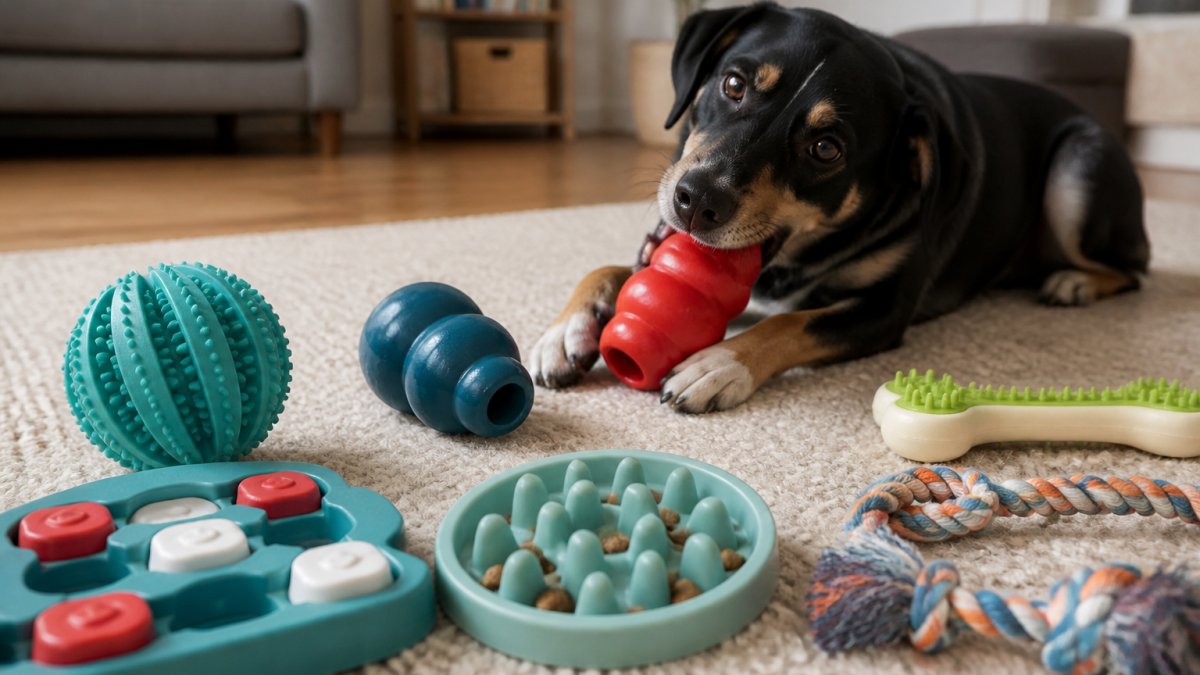
Destructive chewing rarely starts as a discipline problem. It starts as a bored dog with too much energy and nothing to do with it. That is why the best enrichment toys for destructive dogs matter so much: they redirect a natural urge into something safe, satisfying, and repeatable.
Mental Stimulation and Destructive Behavior
Mental stimulation is giving a dog a problem to solve, not just a thing to bite. A dog that spends ten minutes working kibble out of a puzzle feeder is using the same brain circuits that would otherwise be aimed at your couch cushions. When that outlet disappears, destructive behavior fills the gap.

How to Assess Your Dog's Chew Intensity
Before buying anything, rate how hard your dog actually chews. This single step prevents most wasted purchases.
- Light chewer: Nibbles, loses interest fast, rarely damages toys
- Moderate chewer: Works seams and corners, destroys soft toys in days
- Power chewer: Shears through fabric in minutes, targets furniture and molding
- Aggressive chewer: Damages hard rubber, needs supervised, food-based outlets
How to Stop Destructive Chewing in Dogs
Stopping destructive chewing works best when you replace the behavior instead of just blocking it. Yelling at a dog mid-chew teaches nothing about what to chew instead; redirecting to an appropriate outlet teaches everything. But first you have to know what you are redirecting from, the right enrichment toy for a bored adolescent is the wrong toy for a dog that chews when left alone.
Step 1: Diagnose the Driver Before You Buy Anything
Destructive chewing has three common drivers, and they call for different enrichment strategies. Owners who skip this step end up buying the same toy three times.
- Boredom or under-stimulation. The dog chews when nothing else is happening, mid-morning, late afternoon, or during long stretches alone. Damage is spread across many objects, and the dog is easy to interrupt and redirect. Enrichment that adds problem-solving time is the fix.
- Teething or developmental chewing. Common in puppies and adolescents under about 18 months. The dog targets hard edges, furniture legs, and hands. Frozen, textured, food-based outlets work best because they soothe gums while occupying the mouth.
- Separation-related distress. The dog chews almost exclusively when left alone, often targeting door frames, window sills, and crates. Damage is concentrated at exit points. This pattern needs a behavior plan built around departure and return, not just a tougher toy, a durable toy alone will not resolve it.
Step 2: Replace the Behavior, Not Just the Object
Once you know the driver, the redirection plan is straightforward:
- Remove the target. Move shoes, cords, and remotes out of reach. Management is not a fix, but it buys you time to build the replacement behavior.
- Add a substitute before the dog gets bored, not after the damage. The window matters more than the toy.
- Time the reward. Feed part of the daily kibble through a puzzle instead of a bowl so the enrichment is built into the day, not bolted on.
- Increase physical exercise alongside mental work. A tired body plus a tired brain settles faster than either alone.
- Supervise new toys until you know how your dog handles them. Every dog destroys one toy differently.
Step 3: Match the Toy Type to the Driver
- Boredom: rotating puzzle feeders, snuffle mats, and treat-dispensing toys that require problem-solving.
- Teething: frozen food-stuffed rubber, frozen towel rolls, and textured slow feeders.
- Distress: enrichment alone is not enough, pair a calming foraging outlet with a structured alone-time routine, and consult a qualified trainer or veterinary behaviorist for the underlying pattern.
Best Enrichment Toys for Destructive Dogs: Quick Comparison
The best enrichment toys for destructive dogs combine durability, food reward, and a real problem to solve. The table below matches each option to the chew intensity it suits best.
| Toy | Price | Best For | Why It Works |
|---|---|---|---|
| Interactive Pet Puzzle Feeder Toy | $28.20 | Light to moderate chewers | Detachable puzzle with training ball |
| Snuffle Mat (Machine Washable) | $23.37 | All sizes, anxious dogs | Foraging calms and slows eating |
| Snuffle Mat with Suction Cups | $18.89 | Strong pullers | Suction base stays put |
| Pet Slow Feeder Bowl with Cup | $25.74 | Fast eaters | Textured mat slows mealtime |
| Anti-Choking Puzzle Feeder | $24.23 | Puppies, gulpers | Obstacles force slower eating |
Durable Treat-Dispensing Toys That Hold Up
Durable treat-dispensing toys hold up because they make the dog work for food rather than fight the toy itself. A toy that requires problem-solving gets chewed less, not more, because the reward comes from thinking.

Interactive Puzzle Feeder Toy for Dogs and Cats
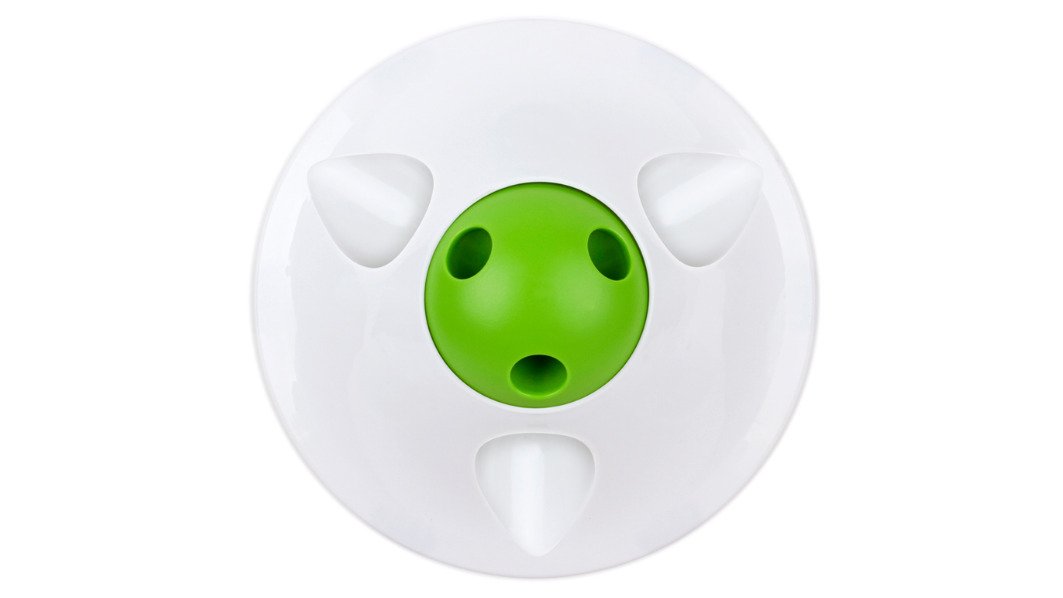
Our top pick for most households. The Interactive Pet Puzzle Feeder Toy combines playtime with meal training, and the detachable design makes cleaning and refilling easy. It is made from BPA-free materials, measures 24x24x12 cm, and includes a 10 cm training ball for extra challenge.
Anti-Choking Puzzle Feeder
The Anti-Choking Puzzle Feeder is built around slowing a dog down. Its internal obstacles force your dog to navigate around barriers to reach kibble, turning a thirty-second meal into several minutes of work. A smart fit for gulpers and puppies still learning pace.
Mental Stimulation Games for Dogs Using Snuffle Mats
Mental stimulation games for dogs work best when they mimic natural foraging. Snuffle mats hide kibble in fabric folds so your dog uses its nose instead of its teeth. For a destructive dog, that shift from mouth to nose is the entire point.
Snuffle Mat for Dogs - Easy to Fill & Machine Washable
The Snuffle Mat for Dogs measures 50x45 cm and is made from high-quality fleece with a machine-sewn design. It suits dogs of all sizes and is machine washable, which matters more than most owners expect. One limitation: it is not a chew toy, so store it away when the session ends.
Interactive Pet Puzzle Feeder Toy for →
Pet Snuffle Mat for Dogs with Suction Cups and Puzzles
Strong pullers will drag a loose mat across the room. The Pet Snuffle Mat with Suction Cups and Puzzles solves that with a suction base and a 50x50 cm sunflower design, keeping it anchored so your dog focuses on foraging rather than relocating the mat.

Slow Feeder Bowls as Enrichment Tools
Slow feeder bowls count as enrichment because they turn eating into a task. A dog that inhales dinner in under a minute gets no mental engagement from the meal. Adding friction to mealtime changes that, and for a destructive dog, it converts one of the day's highest-energy moments into a problem-solving session.
Why Slowing Meals Helps a Destructive Dog
Fast eating and destructive chewing often travel together. Both are signs of a dog that finishes an activity before its brain catches up. When a meal takes 30 seconds, the dog is still amped up afterward and looks for something else to do, often the nearest piece of furniture. Stretching a meal to several minutes of navigation work gives the dog a job, lowers post-meal arousal, and reduces the odds that the next available object becomes a chew target.
What to Look For in a Slow Feeder
- Maze depth and obstacle count. Shallow ridges slow a dog for a few seconds. Deep, varied channels with multiple dead ends can stretch a meal to several minutes.
- Base stability. A bowl that slides across the floor becomes a pushing game, not a foraging game. Look for non-slip bases or a weighted footprint.
- Material and finish. Food-contact surfaces should be food-grade and free of BPA and phthalates. Hard, smooth plastics are easier to sanitize than porous or painted surfaces, and they resist the scraping a determined chewer applies.
- Dishwasher compatibility. Slow feeders collect saliva and food residue in every channel. If it cannot go in the dishwasher, most owners stop using it within a month.
- Size relative to muzzle. A bowl that is too small lets a large dog scoop with its tongue. A bowl that is too deep frustrates a flat-faced or small dog into giving up.
Matching the Bowl to the Dog
The Pet Slow Feeder Bowl with Cup is a 4-in-1 slow food mat with varied textures that challenge foraging instincts. It suits dogs and cats of all sizes and comes in five colors. The multi-texture surface forces the tongue and nose to work in different patterns rather than one repetitive scoop.
Slow Feeders vs. Snuffle Mats vs. Puzzle Feeders
These three overlap, and owners often buy all three before realizing they do different jobs:
- Slow feeder bowl: best for fast eaters and gulpers. Lowest problem-solving demand, highest mealtime friction.
- Snuffle mat: best for nose work and calming. Higher cognitive demand, but not a chew toy and must be stored after use.
- Puzzle feeder: best for dogs that need a real problem to solve. Highest cognitive demand, but usually limited to light-to-moderate chewers.
Toy Rotation and DIY Enrichment Alternatives
Toy rotation is the strategy most owners never try, and it costs nothing. Keep three to five enrichment items in play and store the rest, swapping them every few days so each toy feels new. A dog that ignores a puzzle feeder on Monday will attack it with fresh interest on Thursday.
DIY alternatives stretch the budget further:
- Muffin tin game: Place kibble in a muffin tin and cover each cup with a tennis ball.
- Cardboard forage box: Hide treats in a shallow box filled with crumpled paper.
- Frozen towel roll: Dampen a towel, roll treats inside, freeze, and supervise.
- Sniffing trail: Scatter kibble across a rug and let your dog hunt it down.
Frequently Asked Questions
What is the best toy for a dog that destroys everything?
There is no single best toy, but the most reliable picks combine durable construction with mental work. Treat-dispensing puzzle toys and snuffle mats keep dogs busy by making them earn food, which redirects chewing energy. Match the toy to your dog's chew intensity: heavy chewers need sturdier materials, while moderate chewers do well with fabric-based foraging toys. Supervised play matters most, since no toy is truly indestructible.
What materials are safest for heavy-duty dog enrichment toys?
Look for non-toxic materials that hold up to repeated use. Durable rubber and BPA-free plastics are common in puzzle feeders, while machine-washable fleece works well for snuffle mats and foraging toys. Avoid anything with loose pieces, sharp edges, or paint that can flake off. Always check the product listing for material details, and supervise your dog during the first few sessions to see how the toy holds up.
Are puzzle toys safe for dogs that chew through everything?
Puzzle toys are safe for most dogs when you choose the right durability level and supervise play. A dog that chews through soft toys quickly may need a tougher puzzle feeder with fewer removable parts. Inspect the toy after each session for cracks or loose pieces, and remove it if damage appears. For aggressive chewers, rotate puzzle toys with other enrichment options so no single toy takes all the wear.
How can I keep my dog mentally stimulated to prevent destructive behavior?
Mental stimulation games for dogs work best when they are part of a daily routine. Try scatter feeding, snuffle mats, or puzzle feeders at mealtimes instead of a plain bowl. Add short training sessions, sniffing games, and toy rotation so your dog gets variety. Physical exercise helps too, but mental work tires a bored dog faster. Most destructive behavior drops when dogs have a consistent outlet for problem-solving and foraging.
How do I know if an enrichment toy will actually last?
Start by matching the toy to your dog's chew intensity and checking the material and construction details in the listing. Durable treat-dispensing toys with detachable, easy-to-clean designs tend to hold up better than toys with glued seams. Rotate toys instead of leaving one out all day, and store fabric toys away when not in use. If a toy shows cracks or tears after a few sessions, it is not the right fit for your dog.