

Hypoallergenic Dog Grooming Supplies: 8 Picks for Sensitive Skin
Table of Contents
- Quick Comparison: Hypoallergenic Dog Grooming Supplies at a Glance
- What Makes Grooming Supplies Hypoallergenic?
- Natural Dog Shampoo for Sensitive Skin: What to Look For
- Best Dog Grooming Brushes for Sensitive Skin
- How to Groom a Dog With Allergies: A Step-by-Step Routine
- Bath-Time Essentials: Hypoallergenic Dog Grooming Supplies for Washing
- Paw, Nail, and Coat Care: Everyday Hypoallergenic Dog Grooming Supplies
- Frequently Asked Questions
Last Updated: September 28, 2026
Quick Comparison: Hypoallergenic Dog Grooming Supplies at a Glance
Choosing hypoallergenic dog grooming supplies starts with knowing which tool does which job. This guide covers eight picks for bathing, brushing, paw care, and nail trimming.
The table below summarizes everything we cover.
| Pick | Category | Price | Best For | Standout Detail |
|---|---|---|---|---|
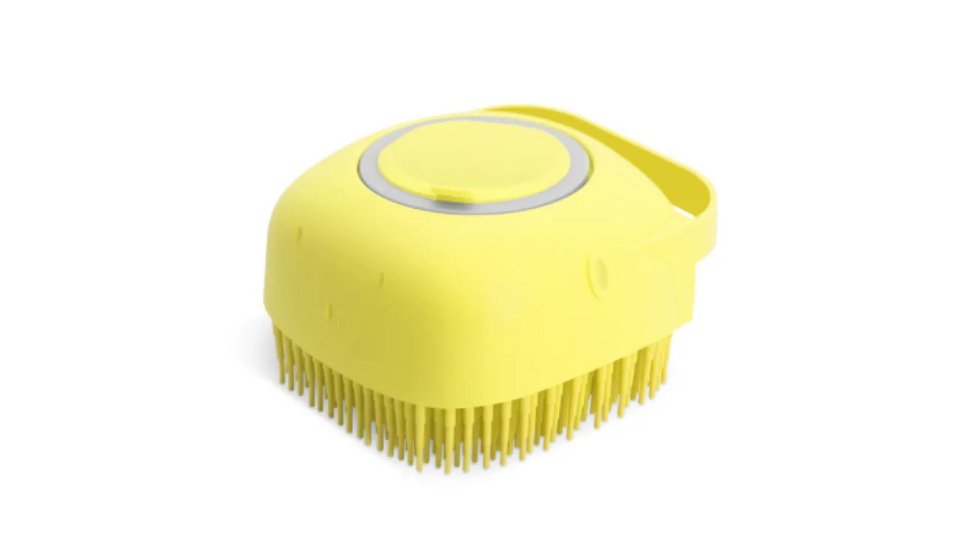
| Pet Shampoo Brush and Massage Comb | Bathing | $10.27 | Short-haired dogs and cats | Built-in 80ml shampoo dispenser |
| Silicone Massage Brush | Bathing | $9.80 | All coat types | Flexible TPR body, four colors |
| Double-Sided Dog Massage Glove | Bathing | $10.46 | Nervous dogs who dislike brushes | 3D gridding fabric plus rubber nubs |
| Sunflower Pet Grooming Brush | Brushing | $13.26 | Cats and small pets | Fine needle teeth, sunflower shape |
| Pumpkin Pet Grooming Brush | Brushing | $13.93 | Medium to long fur | Flexible stainless steel needles |
| Self-Cleaning Pet Grooming Brush | Brushing | $15.17 | Long, curly, or wiry coats | One-button hair removal and mist function |
| Paw Cleaner Cup | Paw care | $42.32 | Muddy paws after walks | Water circulation, three sizes |
| Automatic Pet Nail Grinder | Nail care | $24.26 | Fidgety dogs and cats | Quiet grinding head, compact body |
A common mistake is buying a single "gentle" shampoo and calling it done. Sensitive skin reacts to tools as much as formulas, and the wrong brush can undo a good wash.

What Makes Grooming Supplies Hypoallergenic?
Hypoallergenic dog grooming supplies are formulated or designed to minimize allergic reactions and skin irritation in dogs with sensitive skin, describing both what goes into a product and what stays out.
Two categories matter: what you put on the coat and what touches the skin.
For shampoos and conditioners, hypoallergenic means fragrance-free, dye-free, and free of harsh surfactants. For tools, it means soft-bristle surfaces, rounded needle tips, and materials that do not scratch or pull.
Why Canine pH Changes Everything
Most guides treat pH as a footnote, but it explains why a shampoo that works on your hair can wreck your dog's coat.
Human skin sits at roughly pH 4.5 to 5.5; dogs run more alkaline, commonly cited around pH 5.5 to 7.5 depending on breed, body site, and individual variation.
'Hypoallergenic' Is Not a Regulated Claim for Pet Products
The FDA's guidance on pet food and product labeling is a useful reminder that pet product labels follow different rules than human cosmetics. For human cosmetics, the FDA does not formally recognize 'hypoallergenic' as a regulated term either, it is a marketing descriptor, not a safety certification. The same logic carries into the pet aisle.
Ingredients to Look For: Oatmeal, Aloe, Chamomile, Shea Butter
Oatmeal-based formulas remain the standard for itch relief because colloidal oatmeal coats the skin and supports its natural barrier. Aloe vera and chamomile add soothing support, while shea butter and coconut-derived cleansers moisturize without stripping coat hydration.
Ingredients to Avoid: Sulfates, Parabens, Dyes, and Fragrance
Sulfates create lather but strip natural oils, leaving sensitive skin drier and itchier. Parabens and synthetic dyes serve no grooming purpose and commonly trigger allergic reactions. Artificial fragrance is the single most frequent cause of post-bath irritation in dogs with dermatological sensitivity.
Natural Dog Shampoo for Sensitive Skin: What to Look For
A natural dog shampoo for sensitive skin should be sulfate-free, paraben-free, fragrance-free, and pH-balanced, four criteria that eliminate most products that cause reactions.
pH-Balanced Formulas and Why They Matter for Coat Hydration
Dog skin sits at a different pH than human skin, which is why human shampoo causes problems even when it smells pleasant. A canine-matched formula supports the acid mantle instead of disrupting it.
Pet Shampoo Brush and Massage Comb →
Best Dog Grooming Brushes for Sensitive Skin
The best dog grooming brushes for sensitive skin use soft-bristle or rounded-needle surfaces that glide through the coat without scraping. Tool choice matters more than most owners expect.
How to Groom a Dog With Allergies: A Step-by-Step Routine
Grooming a dog with allergies follows a fixed order: brush first, bathe second, dry thoroughly, then check paws and nails. Skipping the pre-brush pushes loose dander into the coat when the skin is most vulnerable.
Here is the routine we recommend:
- Brush the coat outdoors or on a towel to lift loose fur and dander.
- Check for hot spots, redness, or bald patches before water touches the skin.
- Bathe with a fragrance-free, pH-balanced shampoo and lukewarm water.
- Work the shampoo in with a silicone brush rather than your fingers.
- Rinse until the water runs clear, then rinse once more.
- Towel dry and keep the dog warm until the coat is fully dry.
- Wipe or wash paws to remove environmental allergens.
- Grind nails if needed, then reward and stop.
Grooming as Environmental Allergy Management
Most grooming guides stop at 'sensitive skin,' missing the biggest driver of seasonal itching: what your dog picks up outside and carries indoors.
- Wipe paws after every outdoor trip, not just muddy ones. A damp microfiber cloth or a paw cleaning cup removes grass and pollen before your dog tracks them across the house.
- Rinse the undercarriage and legs on high-pollen days. A full bath is not necessary; a quick lukewarm rinse of the belly and paws knocks down the load.
- Brush outdoors. Loose fur carries settled pollen. Doing the pre-bath brush outside keeps that material out of your indoor air.
- Wash bedding weekly during allergy season. The coat transfers allergens to whatever the dog sleeps on, and that bedding then becomes a re-exposure source.
- Keep ear canals dry and check them after swimming or bathing. Moisture plus pollen is a common setup for irritation.
Matching Frequency to the Season, Not the Calendar
A fixed 'bathe every four weeks' rule ignores seasonal allergy loads. During peak spring and fall pollen, frequent gentle rinses, even every few days, often help more than one deep wash. In winter, when indoor heating dries the air and coat, less frequent bathing with a moisturizing formula is kinder to the skin.
Signs Your Dog Needs Hypoallergenic Grooming Supplies
Bath-Time Essentials: Hypoallergenic Dog Grooming Supplies for Washing
Bath-time tools determine how much product touches the skin and how long the process takes. Shorter baths with gentler tools reduce irritation.
Paw, Nail, and Coat Care: Everyday Hypoallergenic Dog Grooming Supplies
Paws and nails collect environmental allergens, so they need attention between baths, not just during them.
Frequently Asked Questions
What is the best hypoallergenic dog shampoo for sensitive skin?
Look for a shampoo that is fragrance-free, dye-free, and sulfate-free, with soothing ingredients like oatmeal, aloe vera, or chamomile. A pH-balanced formula matters because a dog's skin sits at a different pH than human skin, and the wrong balance can trigger irritation. Match the shampoo to your dog's coat type, and patch-test a small area before a full bath if your dog has reacted to products before.
How do I know if my dog needs hypoallergenic dog grooming supplies?
Watch for itching after baths or brushing, redness, flaky patches, repeated paw licking, or a dull, dry coat. If symptoms show up within a day of grooming, the products are a likely trigger. Switching to fragrance-free, dye-free, pH-balanced supplies is a low-cost first step. If irritation continues or worsens, have a veterinarian examine your dog to rule out other causes.
What ingredients should I avoid in dog grooming supplies?
Skip products with added fragrance, artificial dyes, sulfates, parabens, and alcohol, since these are common triggers for skin irritation and allergic reactions. Medicated shampoos with chlorhexidine serve a specific purpose, but use them only on veterinary advice, not as a daily wash. Read the full label rather than trusting front-of-bottle claims like 'natural,' which is not a regulated term.
How often should I groom a dog with sensitive skin?
Most dogs with sensitive skin do well with a bath every four to six weeks using a gentle, pH-balanced shampoo, plus brushing two to three times a week with a soft-bristle or silicone tool. Over-bathing strips natural oils and worsens irritation, so extend the interval if the coat looks dry. Between baths, grooming wipes and a paw cleaner cup handle everyday dirt without a full wash.
Are there specific grooming tools for dogs with skin allergies?
Yes. Soft silicone brushes and massage gloves clean and lift loose fur without scratching, while fine stainless steel needle brushes work for longer coats but need a light touch. Avoid stiff metal slickers on inflamed skin. For nails, a quiet automatic grinder is gentler than clippers on thick or sensitive claws, and it reduces the pinch that makes anxious dogs pull away.
Sensitive skin turns routine grooming into a careful process, and the wrong tool or formula sets you back weeks. The Minnie Store stocks practical, reliable grooming products designed to support your pet's comfort and everyday care, from silicone bath brushes with built-in dispensers to quiet nail grinders and self-cleaning brushes with a hydrating mist function. Buy your pets products to address their needs and improve the quality of their lives.