
Best Interactive Toys for Dogs: 2026 Picks
Table of Contents
- Why Interactive Toys Matter for Boredom and Destructive Chewing
- Quick Comparison: The Best Interactive Toys for Dogs
- 1. Interactive Pet Puzzle Feeder Toy for Dogs and Cats
- 2. Snuffle Mat for Dogs - Easy to Fill & Machine Washable
- 3. Pet Snuffle Mat for Dogs and Cats - Interactive Foraging
- 4. Pet Snuffle Mat for Dogs with Suction Cups and Puzzles
- 5. Fleece Pet Tunnel and Collapsible Cat Play Tent
- Dog Puzzle Toys for Mental Stimulation: How They Work
- Frequently Asked Questions
Last Updated: September 25, 2026
Why Interactive Toys Matter for Boredom and Destructive Chewing
A bored dog will find a job to do, and that job is often your couch cushions. Interactive toys for dogs solve this by giving your pet something to figure out, sniff out, or work for. This guide from The Minnie Store breaks down the best options for 2026, from puzzle feeders to snuffle mats, so you can match the right toy to your dog's energy level and chewing style.
Quick Comparison: The Best Interactive Toys for Dogs
Use this table as a starting point, then read the section below on how to choose. The right toy depends on your dog's drive, chewing style, and noise tolerance, not on the price tag alone.
| Toy | Best For | Key Feature | Watch Out For |
|---|---|---|---|
| Interactive Puzzle Feeder Toy | Meal-time training, fast eaters | Detachable design, treat ball included | Not a chew toy; supervise heavy chewers |
| Snuffle Mat (Easy to Fill) | All sizes, puppies to large | Machine washable | Store between sessions; not for unsupervised chewing |
| Snuffle Mat (Foraging) | Small to medium pets | Travel-friendly, packs down | Sized for small to medium only |
| Snuffle Mat (Suction Cups) | Strong nosing dogs | Suction cups anchor to hard floors | Won't grip carpet or rugs |
| Fleece Pet Tunnel and Tent | Cats and small pets | Collapsible, two sizes | Not suited to large dogs |
Safety considerations and durability
A few rules apply to every toy on this list:

- Supervise fabric toys. Fleece snuffle mats and tunnels are not chew toys. A determined chewer can pull fabric loose, and swallowed strands are a hazard.
- Check for wear. Inspect seams, suction cups, and plastic parts weekly. Replace anything cracked, frayed, or missing a piece.
- Size matters. A toy small enough to swallow is a choking risk. Match the toy to your dog's mouth, not just its weight.
- Wash regularly. Snuffle mats collect saliva and food residue. Machine-wash on a gentle cycle and air-dry.
- Skip the noise if it scares your dog. Many electronic toys beep or whir. A silent mechanical puzzle or a fabric mat is a better fit for sound-sensitive dogs.
Toys for bored dogs: what actually works
Boredom is the root of most destructive chewing. The toys that work best are the ones that give the dog a job:
- Foraging toys (snuffle mats, treat balls) satisfy the sniff-and-search drive.
- Puzzle feeders slow fast eaters and turn meals into a task.
- Tug and fetch toys burn physical energy and build impulse control when you set the rules.
- Flirt poles mimic the chase sequence and are excellent for high-drive dogs with limited yard space.
Automatic and electronic interactive toys
Electronic toys, treat dispensers, motion-activated balls, and automatic fetch machines, add variety, but they come with trade-offs:
- Noise. Many beep, whir, or rattle. Test the volume before committing, especially for sound-sensitive dogs.
- Batteries and charging. A dead toy is a dead toy. Keep a non-electronic backup in rotation.
- Supervision. Electronic toys can jam or overheat. Follow the manufacturer's guidance and inspect regularly.
- Diminishing returns. Dogs often master the pattern quickly. Pair electronic toys with mechanical puzzles to keep the challenge varied.
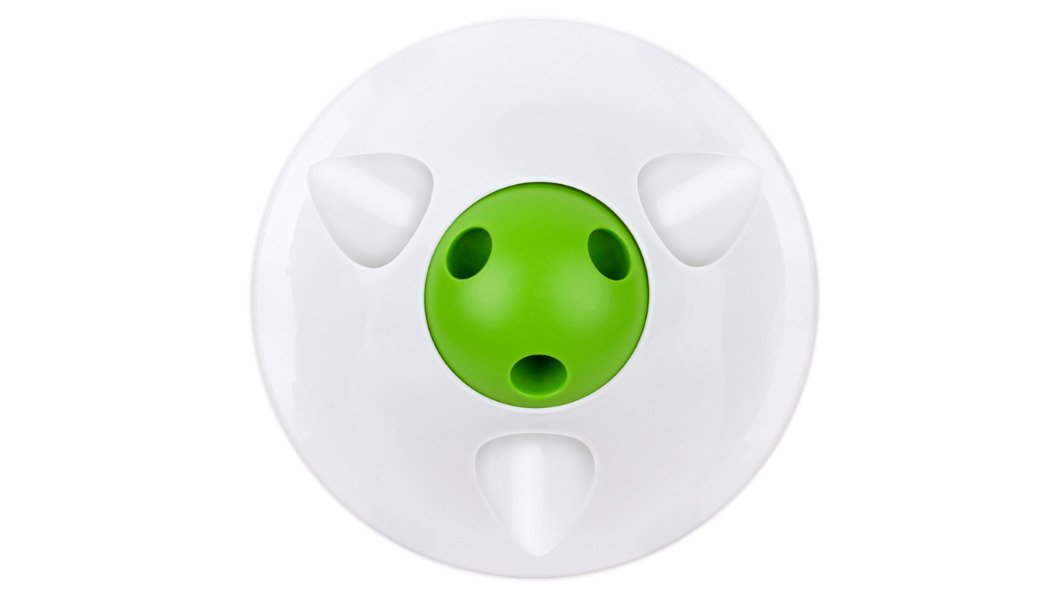
1. Interactive Pet Puzzle Feeder Toy for Dogs and Cats
Pros: Slows fast eaters, works for cats too, easy to refill. Cons: Not a chew toy, so heavy chewers need supervision.
2. Snuffle Mat for Dogs - Easy to Fill & Machine Washable
For dogs that live by their noses, a snuffle mat is the answer. This Snuffle Mat measures 50x45cm and hides kibble in fleece folds, mimicking the foraging instinct dogs inherited from their ancestors. It suits everything from puppies to large breeds, and the machine-sewn fleece stays gentle on a wet nose.

3. Pet Snuffle Mat for Dogs and Cats - Interactive Foraging
Small to medium pets get a lighter, more portable option here. The Pet Snuffle Mat for Dogs and Cats measures 45x45cm and packs down to 25x25x9cm, which makes it one of the few interactive toys for dogs you can genuinely take on a road trip. It comes in Yellow, Blue, Green, and a classic default.

4. Pet Snuffle Mat for Dogs with Suction Cups and Puzzles
Pros: Stays put on hard floors, generous 50x50cm size, durable fleece. Cons: Suction cups won't hold on carpet.
5. Fleece Pet Tunnel and Collapsible Cat Play Tent
Not every interactive toy is about food. The Fleece Pet Tunnel and Collapsible Cat Play Tent gives cats and small pets a place to hide, pounce, and explore. It comes in two sizes (S and L) and collapses flat for storage, which matters in smaller homes.
Dog Puzzle Toys for Mental Stimulation: How They Work
Dog puzzle toys for mental stimulation work by turning a basic need, food, into a problem to solve. That's the behavioral science behind enrichment: when a dog has to nose, paw, or nudge to reach a reward, the brain engages and the dog tires out faster than it would from a simple walk. Most practitioners describe the effect as a "sniff-and-solve" loop, the dog catches a scent, forms a plan, tests it, and gets a payoff.
The mechanism, step by step
- Odor cue. Kibble or treats release scent through fabric folds or plastic channels. The nose starts the job before the paws do.
- Problem-solving. The dog tries a behavior, nosing, pawing, lifting a flap, rolling a ball. Some attempts fail, which is the point.
- Reward and repeat. A successful attempt delivers food, and the dog repeats the behavior. This is the same foraging sequence wild canids use, compressed into a living-room toy.
That sequence is why a snuffle mat and a puzzle feeder are not interchangeable. A snuffle mat rewards sniffing and rooting; a slider puzzle rewards pawing and lifting. Rotating between the two keeps different motor patterns in play.
How to choose the right toy for your dog
Match the toy to the dog, not the other way around:
- Energy level. High-drive dogs do better with multi-step puzzles and flirt poles; lower-drive dogs do better with a single-step snuffle mat.
- Chewing style. A dog that destroys fabric in minutes needs chew-resistant rubber, not fleece. Fabric mats are supervised-only for heavy chewers.
- Nose vs. paws. Nose-driven dogs (hounds, many seniors) prefer snuffle mats and foraging balls. Paw-driven dogs prefer sliders and treat-dispensing balls.
- Size and jaw strength. A 10 cm training ball is fine for a terrier and a choking hazard for a large-breed chewer. Check the toy's stated size against your dog's mouth.
- Noise tolerance. Many electronic interactive toys beep, whir, or rattle. If your dog startles at sound, choose a silent mechanical puzzle or a fabric snuffle mat instead. A quiet toy that gets used beats a loud one that gets avoided.
How long should a session last?
Most sessions run 10 to 20 minutes. Short, frequent sessions beat one long one, and you should always supervise play. Rotate two or three toys each week so the challenge stays fresh instead of predictable. A common mistake is leaving a snuffle mat or puzzle feeder out all day, dogs master the puzzle, get bored, and start chewing the toy itself.
Interactive play for senior dogs
Most guides focus on puppies and high-energy adults, but seniors need enrichment too. Cognitive decline and reduced mobility change what works:
- Lower the difficulty. A multi-step slider that frustrated a dog at three may be too much at twelve. Start with one-step puzzles and snuffle mats.
- Raise the surface. A mat on a low platform reduces neck strain for dogs with arthritis.
- Shorten sessions. Five to ten minutes, two or three times a day, often works better than one long session.
- Watch for frustration. If a dog walks away or whines, the puzzle is too hard. Make it easier, not more rewarding.
DIY interactive toy alternatives
- Muffin-tin puzzle. Put kibble in a muffin tin, cover each cup with a tennis ball, and let the dog lift the balls out.
- Towel roll. Roll kibble into a bath towel, knot it loosely, and let the dog unroll it.
- Cardboard box forage. Place treats in a shallow box with crumpled paper and let the dog dig them out. Supervise, and discard the box afterward.
- Frozen broth toy. Freeze low-sodium broth in a rubber toy for a longer-lasting challenge in warm weather.
For heavy chewers, no fabric toy survives unsupervised. Durable interactive toys for heavy chewers should be paired with chew-resistant rubber, and fabric mats should only come out under supervision.
Frequently Asked Questions
What are the most stimulating toys for dogs?
Toys that make a dog work for a reward tend to hold attention longest. Puzzle feeders and snuffle mats tap into the foraging instinct, so the dog sniffs, paws and solves a problem before eating. The Minnie Store's Interactive Pet Puzzle Feeder Toy ($28.20) combines meal training with problem-solving, while the fleece snuffle mats ($16.20 to $23.37) hide kibble in fabric folds. Rotate two or three options each week so the challenge stays new.
How do interactive toys help with destructive behavior?
Destructive chewing usually fills a gap left by boredom and unused energy. Interactive toys redirect that energy into sniffing, tugging and problem-solving, which burns both physical activity and mental effort. A dog that spends 15 minutes working a puzzle feeder is often calmer afterward than one that ran in the yard. Pair enrichment toys with supervised play and a consistent routine for the best results.
How long should a dog play with interactive toys?
Most dogs do well with two or three short sessions a day, roughly 10 to 20 minutes each, depending on age, breed and energy level. Puppies and seniors tire faster, so start with five to ten minutes and watch for signs of frustration or fatigue. Puzzle feeders and snuffle mats can also replace a regular meal, which stretches engagement to 20 or 30 minutes without adding extra calories.
Are puzzle toys safe for aggressive chewers?
It depends on the material. Soft fleece snuffle mats are not chew toys and should be stored away after each session, especially with a heavy chewer. For dogs that destroy plush items quickly, choose a durable puzzle feeder with a detachable, hard shell, supervise the first few sessions, and check for cracks or loose parts. Replace any toy that shows deep gouges or missing pieces.
Do interactive toys help with separation anxiety?
They can ease the first part of a departure by giving the dog something to focus on. A frozen puzzle feeder or a snuffle mat loaded with treats right before you leave creates a positive association with alone time. The effect is strongest when the toy is part of a predictable routine, not a one-off distraction. Severe cases still need a vet or a certified behavior consultant.
Boredom and destructive chewing are fixable problems, not personality flaws. The Minnie Store stocks practical enrichment tools built for real dogs, including puzzle feeders, machine-washable snuffle mats, and suction-cup foraging mats that hold up to daily use. Browse the enrichment collection to find the right fit for your dog's energy level and chewing style, and turn mealtime into the mental workout it should be.